
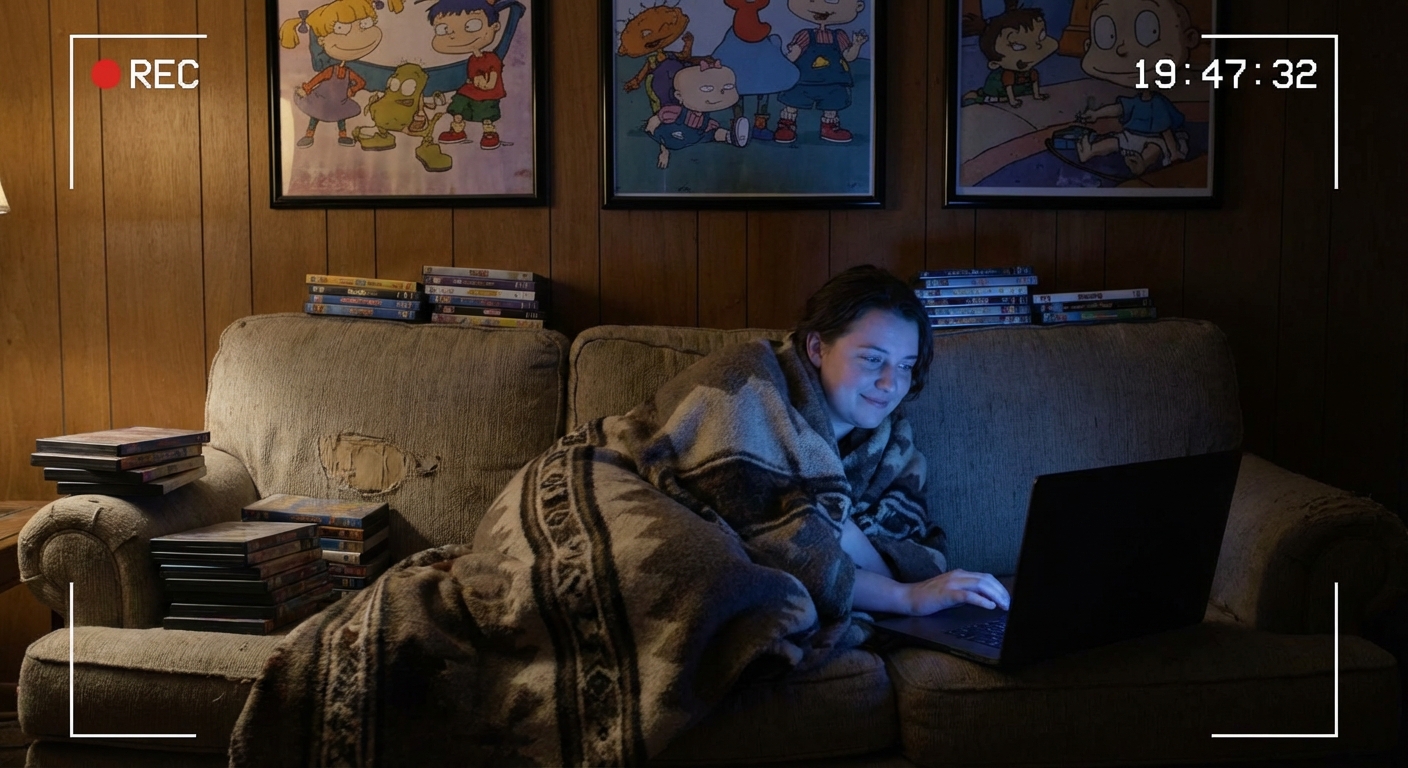
You’ve seen that sitcom three times. You know every twist in that fantasy trilogy. You can quote half the lines before the characters say them.
You Again? Why We Keep Rewatching the Same Stuff
Yet when life gets stressful, that’s exactly what you reach for.
And then comes the guilt: “I should be watching something new.”
Time to kill that guilt.
Rewatching isn’t a waste of time. It’s a psychological power move—if you understand what it’s doing for you.
The Science of Rewatching: Your Brain Loves Predictable Joy
Psychologists call it narrative transportation—getting so absorbed in a story that reality blurs a little.
With new shows, that absorption requires effort:
- Who are these people?
- What’s going on?
- Do I trust this creator?
With familiar shows, your brain skips the onboarding.
“Rewatching reduces cognitive load. You already know the plot, so you can simply marinate in the emotional beats,” explains clinical psychologist Dr. Helena Ortiz.
That’s why:
- Background anxiety fades
- Comfort characters feel like friends
- You can half-watch while doing chores and still enjoy it
It’s not laziness—it’s energy management.
Surprising Benefit #1: Rewatching Lowers Stress and Loneliness
Studies have found that returning to your favorite shows and movies can:
- Lower stress levels
- Reduce feelings of loneliness
- Increase a sense of stability and control
Because you know exactly what’s going to happen, there are no bad surprises.
“People use familiar media as a form of emotional self-regulation,” says media researcher Dr. Emily Chen. “In a chaotic world, predictable stories are soothing.”
That’s why comfort content often spikes during:
- Exam seasons
- Breakups
- Global crises
Your brain is basically saying, “Please, nothing risky right now.”
Surprising Benefit #2: You Notice Smarter Storytelling on Rewatch
The first time, you’re chasing the plot.
The second or third time, you start noticing:
- Foreshadowing you missed
- Quiet character choices
- Background jokes and props
- Music cues and visual patterns
“Some of the richest storytelling only reveals itself on repeat viewings,” notes TV writer Marco Ruiz. “Great writing is built to be rewatched.”
Rewatching can actually upgrade your taste, especially if you:
- Pause to notice what’s changing in your perception
- Ask yourself why certain scenes hit harder now
Surprising Benefit #3: Nostalgia Is a Real Mental Health Tool
Nostalgia isn’t just about “the good old days.” It can:
- Boost your mood
- Increase feelings of meaning and continuity
- Strengthen your sense of identity
When you revisit a show from your teens or childhood, you’re revisiting:
- Who you were then
- What mattered to you
- How much you’ve grown
“Nostalgic media can act like a mirror—it reflects old versions of ourselves and helps us process how we’ve changed,” says cultural psychologist Dr. Pavel Novak.
That’s powerful, if you lean into it.
When Comfort Content Becomes a Problem
Let’s be honest: comfort can slide into avoidance.
Red flags to watch for:
- You only watch the same show and feel bored but stuck.
- You use rewatching to avoid tasks, people, or decisions.
- You feel worse after watching—more guilty, not more rested.
If that’s you, your comfort content has turned into a numbing tool.
The fix isn’t to ban it. It’s to use it on purpose.
How to Use Rewatching Intentionally (Not Automatically)
1. Set a Clear Purpose Before You Press Play
Ask yourself:
- Do I want to calm down?
- Do I want background company while I do chores?
- Do I want to study why I love this story?
Name it.
Suddenly you’re choosing rewatching as a tool—not falling into it as a reflex.
2. Create a “Comfort Tier List”
Not all comfort content is equal.
Make three quick lists:
- Tier A – Heals Me: Shows/films that reliably make you feel better afterward.
- Tier B – Distracts Me: Fine for background, neutral overall.
- Tier C – Drains Me: Stuff you watch out of habit but feel “meh” or worse after.
Keep Tier A close.
Put friction on Tier C:
- Remove from favorites.
- Move to the bottom of lists.
- Log out of the platform you mainly watch it on.
3. Pair Comfort with Micro-Growth
You don’t have to choose between comfort and discovery.
Try this simple system:
- Watch 20–30 minutes of new content.
- Reward yourself with an episode or scenes of your comfort show.
Over time, you expand your horizons while keeping your emotional safety net.
4. Time-Box Your Cozy Binge
Instead of telling yourself, “Just one more episode” (which is a lie you will absolutely break), set:
- A fixed window: “From 9–10:30, this is my comfort block.”
- A fixed number: “Two episodes, then I switch.”
You respect your need to unwind and your other priorities.
Turning Comfort Content into a Superpower
Used well, your rewatch habit can:
- Stabilize your mood on rough days
- Sharpen your eye for good storytelling
- Reconnect you with old versions of yourself
And there’s a hidden bonus: you can share that comfort.
- Introduce someone to the show that got you through a hard time.
- Rewatch together and trade perspectives.
- Turn lonely rewatches into a mini ritual with friends, partners, or family.
“Shared comfort content can deepen relationships. You’re not just watching a show; you’re swapping emotional histories,” says relationship therapist Kara James.
You Don’t Owe the Algorithm “Productivity”
You’re not a failure for not keeping up with every buzzy new release.
You don’t have to treat your watchlist like homework.
If rewatching the same series for the fourth time keeps you sane, grounded, and gently entertained?
That’s not a waste.
That’s maintenance.
So the next time you hit play on that familiar theme song, drop the guilt.
You’re not stuck in the past—you’re giving your present self exactly what it needs.