
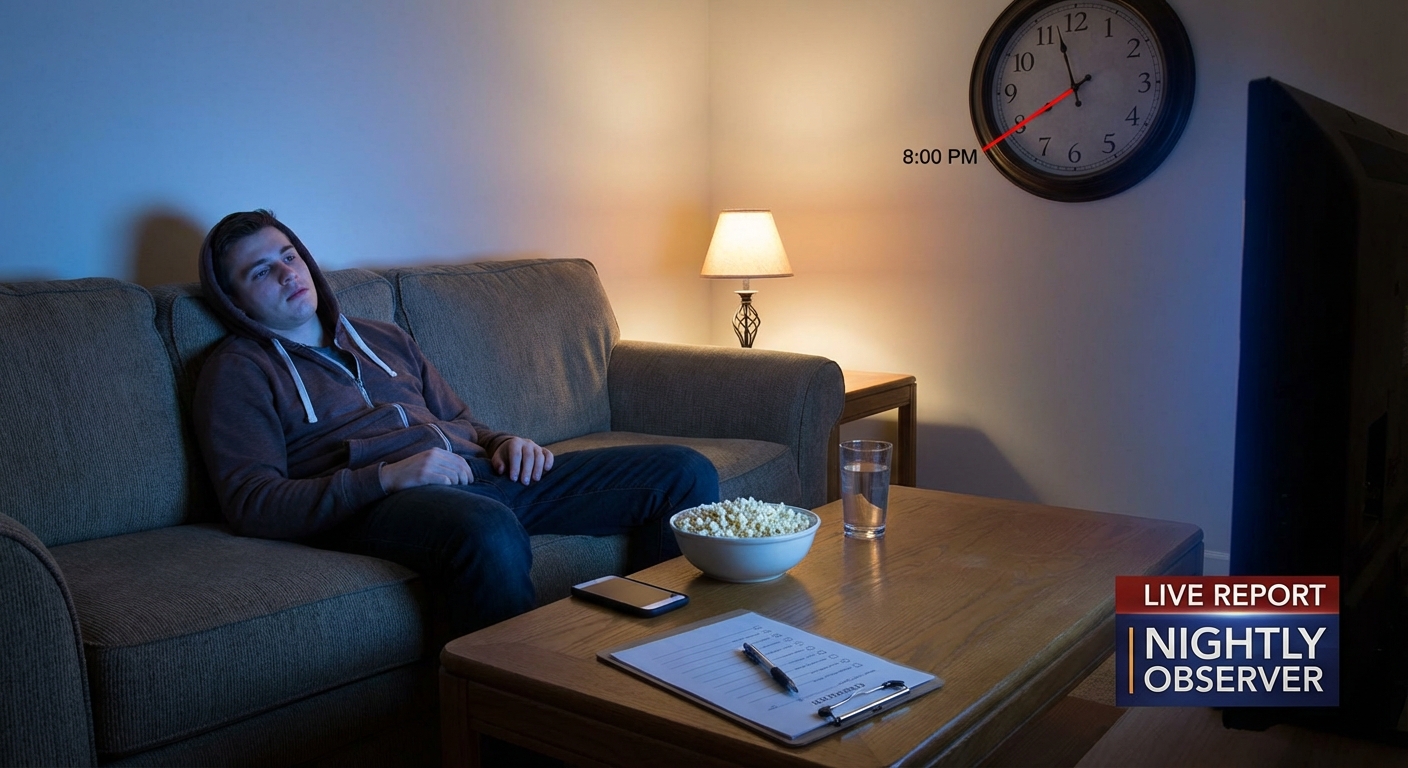
You sit down to relax, open your favorite app, and 40 minutes later you’re still scrolling trailers.
You’re Not Watching More—You’re Enjoying It Less
The paradox: We’ve never had more entertainment options, yet we’re weirdly unsatisfied with what we watch.
Good news: You don’t need more shows. You need better habits.
Here are 9 science-backed, expert-approved ways to make your watch time feel richer, not just longer.
1. Set a “Pleasure Budget,” Not a Time Limit
Telling yourself, “I’ll only watch 1 episode” usually fails. Your brain loves “just one more.”
Instead, set a pleasure budget:
“Decide what kind of feeling you want—comfort, excitement, laughter—and pick content that delivers it on purpose,” suggests behavioral psychologist Dr. Talia Green.
Ask before you press play:
- Do I want to laugh?
- Do I want to feel hooked and tense?
- Do I want background comfort?
Actionable move: Rename your streaming lists into moods: “Cozy”, “Brain On Fire”, “Background Only”. Choose from the mood, not the algorithm.
2. Use the 15-Minute Rule to Avoid Mediocre Shows
Most pilots are slow. But you shouldn’t waste three episodes “waiting for it to get good.”
Give any new show 15 minutes.
If by then you haven’t:
- Met at least one interesting character
- Heard a line that made you think or smile
- Felt curious about what happens next
…drop it.
“There’s too much great content to tolerate lukewarm storytelling,” says TV critic Jamal Ortiz. “Your boredom is data—use it.”
Actionable move: Turn quitting into a flex, not a failure. Start saying, “Life’s too short for mid TV.”
3. Stop Doom-Scrolling Menus: Pre-Game Your Watchlist
Decision fatigue is a mood-killer. That endless scroll? It’s draining your willpower before the show even starts.
Fix it with tiny planning:
- Once a week, spend 10 minutes curating a watchlist.
- Add 3–5 titles you’re genuinely excited about.
Then on weeknights, you don’t choose from hundreds—you choose from 5.
Surprising fact: Studies show people enjoy experiences more when options are limited, because they second-guess themselves less.
4. Turn Subtitles On (Yes, Even in Your Native Language)
Subtitles aren’t just for foreign films. They literally change your brain’s engagement.
Why it works:
- You process both visual and textual information.
- You catch more jokes, side comments, and worldbuilding details.
- It nudges your brain into active watching instead of passive zoning out.
“Subtitles subtly increase cognitive engagement, which is why people report feeling more ‘immersed,’” notes cognitive scientist Dr. Asha Verma.
Actionable move: Turn on subtitles for 3 episodes of a current show and notice if you:
- Reach for your phone less
- Remember more details later
5. Create “Sacred Shows” You Never Half-Watch
Not everything deserves your full attention. But some things do.
Designate a few series or movies as “sacred content”:
Rules for sacred shows:
- No phone
- No second screen
- No background chores
Everything else? Sure, fold laundry, scroll Twitter, cook dinner.
This contrast makes your best shows feel special again, instead of blending into background noise.
6. Watch with One Friend Instead of 500 Strangers
Live-tweeting, Reddit threads, Discord servers, TikTok edits—there’s infinite discourse around every show.
But all that noise can flatten your own opinion.
“Our enjoyment is heavily shaped by social feedback. A smaller circle means a clearer sense of what you like, not what the crowd decides,” says media sociologist Erin Blake.
Actionable move: Pick one show to watch in sync with a friend:
- Set a weekly episode pace.
- Text or voice note your reactions.
You’ll feel the social fun without the internet pile-on.
7. Pair Your Content with a Ritual
Your brain loves associations. Turn watching into a small ritual and it will feel more satisfying—even if the episode is just okay.
Ritual ideas:
- Light a candle for your nightly show.
- Make a specific drink (tea, cider, whatever) that you only have when watching.
- Use a specific blanket, lamp, or corner.
This simple pairing creates a “comfort anchor”—your brain starts linking your chosen show with relaxation.
8. Rewatch Strategically: Comfort vs. Discovery
Rewatching the same three shows isn’t “lazy”; it’s your brain seeking stability.
The trick is to be intentional:
- Use rewatches when you’re stressed, tired, or multitasking.
- Use new shows when you have more energy and curiosity.
That way you’re not forcing yourself through a complicated plot when your brain just wants background noise—and you’re not wasting a great new story when you’re too fried to enjoy it.
9. End on a High, Not on a Cliffhanger
Cliffhangers hijack your brain. They make stopping feel impossible.
Flip the script:
- Don’t stop at the cliffhanger.
- Watch 5–10 more minutes into the next episode until the tension dips.
“Our brains like closure. Ending at a calmer beat makes it easier to walk away satisfied, not agitated,” explains habit coach Leo Tan.
Actionable move: Next binge, experiment with this. You’ll be shocked how much easier it is to turn off the TV when you exit mid-episode instead of at the finale twist.
Your Watch Time Is a Vote—Spend It Deliberately
Every stream, every click, every finished season is a signal:
- To platforms: “More of this.”
- To creators: “This works.”
- To your own brain: “This is what matters to me.”
You don’t need to cut back on entertainment to improve your life. You just need to invest it with intention.
Tonight, don’t ask, “What’s on?”
Ask: “What do I want to feel—and what’s actually worth my attention?”
Then hit play like you mean it.