
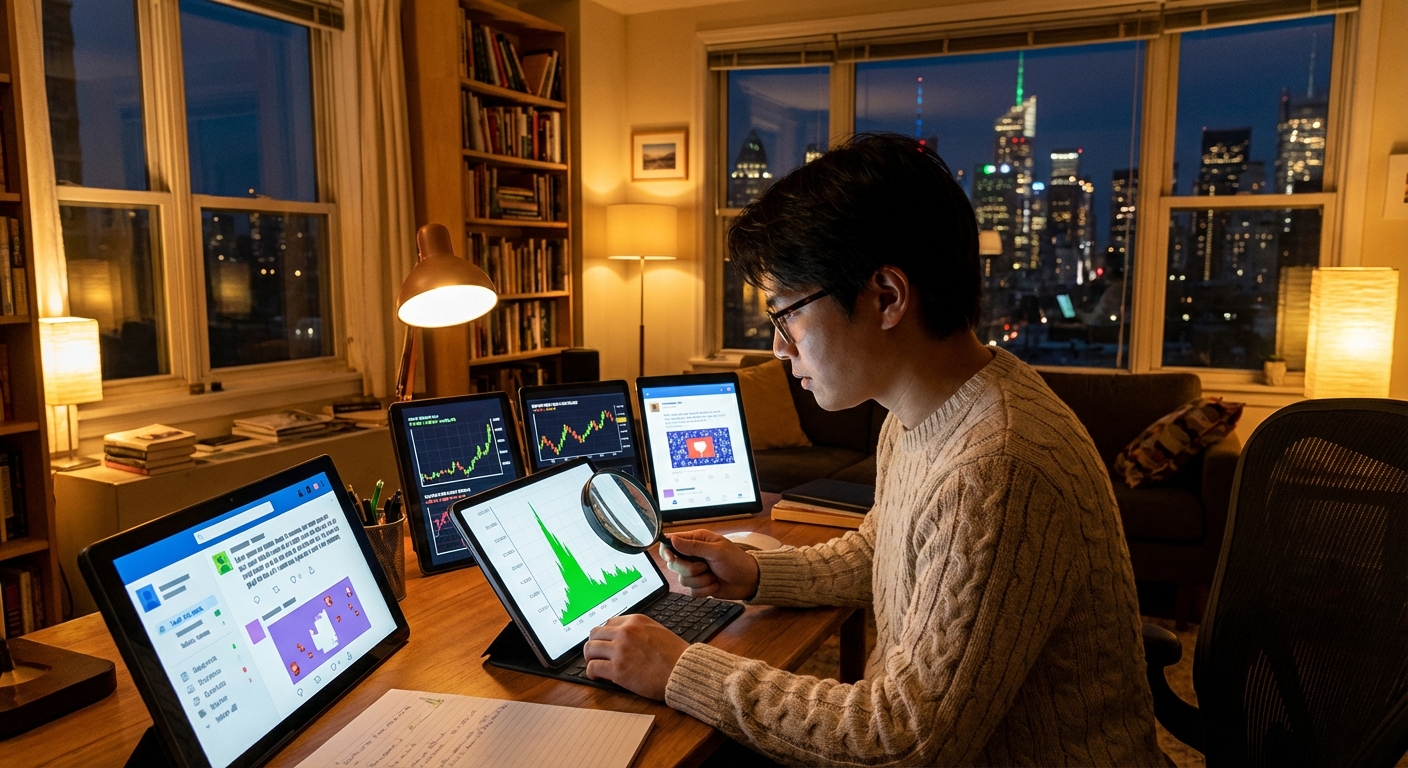
Everyone sees the obvious trends: AI, remote work, creator economy, wellness everything.
The Big Stuff Is Loud. The Real Change Is Quiet.
But the real story of what’s Trending Now lives in the microtrends—small, specific shifts in how people actually behave.
Cultural analyst Priya Malek explains:
“Macro trends are the headlines. Microtrends are the habits. If you want to see where culture is really going, watch the small stuff.”
Here’s a punchy tour of microtrends reshaping work, money, health, and identity—and how to actually use them.
1. The Rise of “Low-Visible Ambition”
Loud hustle culture is out. Quiet, strategic ambition is in.
You see it in:
- “Soft life” content focused on calm routines and boundaries.
- People optimizing sleep, not just grind.
- Workers negotiating flexibility instead of just salary.
This isn’t laziness—it’s sustainable ambition.
What this microtrend means for you:
- You don’t have to broadcast your grind to be taken seriously.
- Professionals who can deliver high output on sane schedules are becoming incredibly valuable.
- Burnout is now a red flag, not a badge of honor.
Actionable takeaway:
Audit your life for “performative productivity” (meetings, constant Slack, fake urgency). Cut or reduce one thing this week.
2. The “Tiny Upgrade” Lifestyle
Instead of massive overhauls, people are stacking 1% wins:
- Upgrading one item you use daily (pillow, mug, mouse, headphones).
- Fixing one annoying friction (password manager, faster charger, auto-bill pay).
- Micro-habits: 5 push-ups, 5-minute walks, 1 glass of water per meeting.
Behavioral economist Dr. Kayla Ruiz notes:
“The new flex isn’t a huge transformation. It’s a life that quietly feels 10–20% less annoying.”
Why it trends:
- Feels doable.
- Offers instant reward.
- No dramatic identity change required.
Actionable takeaway:
Pick 3 things that annoy you daily (slow laptop, cluttered desk, messy inbox). Fix one this week. You’ll feel the trend working in real time.
3. Pockets of Deep Offline Time
Paradox: screen time is up, but so is deliberate offline time.
Microtrends you’re seeing:
- Silent walking (no podcast, no music—just thinking).
- Phone-free dinners or phone stacks with friends.
- Offline hobby time: pottery, woodworking, analog journaling, gardening.
This isn’t full digital detox. It’s slotted disconnection.
Why it matters:
Neuroscience researcher Dr. Evan Chu says:
“Short, intentional offline pockets are like a reset button for focus and anxiety. You don’t need a cabin in the woods; you need 20 protected minutes.”
Actionable takeaway:
Schedule one 20–30 minute daily window with no screens. Commute, walk, cook, shower—just no input. Let your brain process.
4. The “Second Brain” For Normal People
Sure, productivity nerds talk about “second brains”—systems for storing ideas, notes, and tasks.
But a microtrend is emerging: simple, everyday second brains.
Real examples:
- A single “Brain Dump” note in your phone for every idea.
- A running “Questions for my doctor / manager / accountant” note.
- Screenshot folders you actually revisit.
This is trending quietly because:
- Everyone’s overwhelmed.
- People are done relying on memory.
- Tools are easier (Notion, Apple Notes, Google Keep, Obsidian, etc.).
Actionable takeaway:
Create three notes today:
- “Ideas” – For random sparks.
- “Questions” – For things to ask key people.
- “Someday/Maybe” – For non-urgent stuff you don’t want to forget.
Revisit them once a week for 10 minutes.
5. Hyper-Niche Communities Are Beating Viral Fame
Yes, viral posts are still big. But quietly, the internet is moving toward smaller, tighter circles:
- Discord servers around one specific topic.
- Niche newsletters (e.g., “sustainable packaging for indie beauty brands”).
- Subreddits for absurdly specific interests.
Creator coach Milan Osei says:
“The algorithm made everyone chase bigness. The money and meaning are in the small, specific corners.”
What this microtrend means:
- You don’t need 100k followers to make an impact or income.
- Communities of 100–1,000 engaged people can support real businesses and powerful collaborations.
Actionable takeaway:
List 3 things you’re genuinely nerdy about. Search for a Discord, subreddit, or newsletter around each. Join one and actually participate this week.
6. Practical Aesthetics: Function First, Vibe Second
Aesthetic videos still dominate, but there’s a shift: people care if it works, not just if it’s pretty.
Signs:
- Comments like “Okay but is this actually comfortable?” or “Show me what this looks like after 2 months.”
- Product reviews focusing on durability, repairability, and real-life mess.
- Workspaces that prioritize ergonomics over Pinterest perfection.
Why it matters:
Consumers are smarter. They’ve been burned by beautiful but useless buys.
Actionable takeaway:
Before you buy the trending thing, ask:
Will I use this weekly for the next 6–12 months?
Is there a less-aesthetic version that works better?
Am I buying the thing—or the feeling it represents?
If it’s mainly the feeling, see if there’s a free or cheaper way to get that feeling (rearrange your space, change your routine, borrow before buying).
7. Honest Talk About Money, Not Just Flexes
Quiet but huge shift: money talk is getting more transparent.
Trending under the surface:
- People sharing actual salary numbers.
- Creators breaking down their income streams.
- Open conversations about debt and burnout.
A Bankrate survey found that 42% of Gen Z and millennials now discuss salary with coworkers, a massive cultural shift from older generations.
Why this matters:
- Negotiation power goes up.
- Shame around financial struggles goes down.
- People can finally compare lives to reality—not influencer filters.
Actionable takeaway:
Have one real money conversation this month—with a friend, partner, or coworker. Swap real numbers, not just vibes.
How To Use Microtrends To Future-Proof Your Life
You don’t need to track every micro-shift. Use this simple framework:
When you notice a new pattern, ask:
Does this reduce friction? (time, stress, confusion, cost)
Does this increase agency? (control, choices, flexibility)
Can I adopt a lightweight version of this now?
If you get two yeses, test it.
Examples:
- Second brain note system → friction down, agency up, easy to test.
- Pockets of offline time → friction (discomfort) up at first, but focus and peace up too.
Start tiny. Trends become powerful when they turn into habits, not just posts you liked.
Shareable Insight
“Macro trends make headlines. Microtrends make habits—and your habits quietly decide your future.”
Next time you scroll through what’s Trending Now, zoom in on the small stuff.
Those tiny shifts? That’s where the real future is hiding.